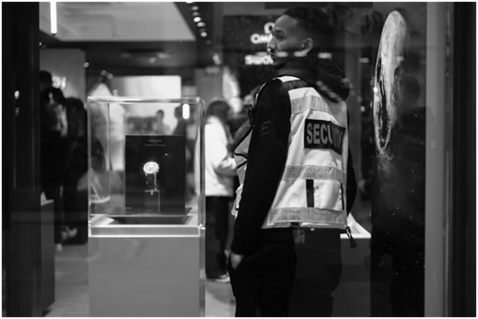
Hospital lobbies and clinic waiting rooms are often emotionally demanding environments. Patients may arrive in pain, families wait anxiously for news, and staff juggle phone calls, paperwork, and urgent requests at the same time. Tensions can rise quickly in crowded settings. Front desk security helps healthcare facilities manage these spaces so clinical teams can focus on care and visitors understand check-in procedures.
Healthcare Workers Face Higher Risk
Healthcare workers face significant workplace safety risks. The U.S. Bureau of Labor Statistics found that healthcare and social assistance workers were about five times as likely as workers overall to suffer a workplace violence injury in 2018, and healthcare workers accounted for 73 percent of all nonfatal workplace violence injuries that year. These figures highlight the risks faced by personnel who interact with patients and visitors.
OSHA’s resources on workplace violence in healthcare note that a large share of cases likely go unreported, which means the real level of risk is higher than the data suggests. A visible officer can support staff during tense encounters and assist with early de-escalation.
Managing Visitor Check-Ins
A facility’s front desk is a key point for applying visitor-access policies. Officers greet visitors, confirm which patient they are there to see, check identification, and issue visitor badges. They follow the facility’s policies on visiting hours, the number of guests per patient, and restricted areas such as maternity wards or behavioral health units.
A consistent process protects patients and gives staff a clear record of who entered the building. When a patient has visitor restrictions, the officer at the desk can help enforce those restrictions without unnecessarily interrupting care staff. Officers can document recurring access concerns for managers to address under facility policy.
Keeping Lobbies Calm and Orderly
Waiting rooms can get crowded, especially in emergency departments and urgent care clinics during flu season. Officers watch for signs of frustration, offer directions, and step in early when someone starts raising their voice. A calm conversation and clear directions can often reduce frustration before a situation escalates. Guiding families to the appropriate waiting areas and information desks can also reduce confusion.
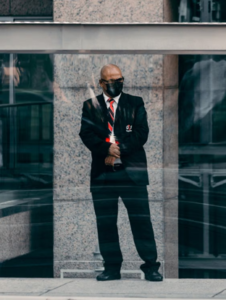
Officers also handle practical issues that keep lobbies running smoothly. They help visitors find the right department, keep entrances clear for ambulances and wheelchairs, and watch for unattended bags. Facilities that use unarmed security guards in Jurupa Valley, CA for these posts often find that a courteous, approachable officer fits the healthcare setting far better than an intimidating one.
Working as Part of the Care Team
Effective front desk officers coordinate closely with the facility’s staff. They learn site procedures, understand emergency codes, and know their responsibilities when an emergency response is activated. They also report incidents accurately, which helps administrators review what happened and adjust policies when needed.
Patient and visitor safety begins at the entrance. A clear check-in process, an orderly lobby, and an officer who coordinates with staff help create a supportive environment. Healthcare leaders who review their entry points and recent incidents can better identify where front desk security would be most useful.
Partner With Us for Healthcare Front Desk Security
At Cyber Guard Protection, we place courteous, attentive officers in hospitals, clinics, and medical office buildings across Riverside and the Inland Empire. Our front desk security team manages visitor check-ins, supports staff, and stays available 24/7 for emergencies that call for extra personnel. We also provide commercial property security services in Moreno Valley, CA for medical office complexes and multi-tenant buildings. Contact us to schedule a free security assessment for your facility.