
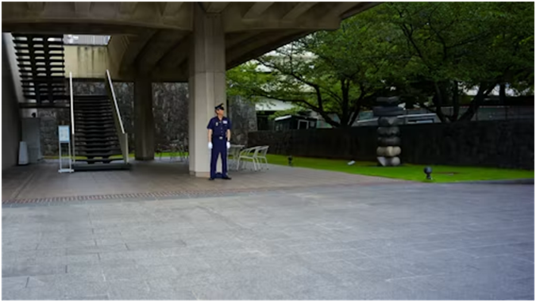
Schools and libraries share a simple goal: give people a calm place to learn, read, and work. Security arrangements should support that goal without disrupting daily activities. An overly intrusive security presence can undermine the welcoming learning environment. Effective security for educational institutions and libraries relies on an approachable, visible presence that respects students and visitors.
Why Quiet Spaces Still Need Security
Campuses and libraries are open by design. Students, parents, vendors, and visitors come and go all day, and public libraries welcome anyone who walks through the door. That openness also creates challenges, including disruptive behavior, property theft, vandalism, and conflicts between visitors.
Federal agencies encourage a layered approach. The Cybersecurity and Infrastructure Security Agency offers school security planning resources that help schools assess vulnerabilities and plan overlapping physical protections across their campuses. An effective security plan for educational institutions includes trained officers as one of those layers, working alongside locked doors, visitor management systems, and clear emergency plans.
Managing Access Points Calmly
Access control looks different in a school than in an office tower. Guards check visitors at the main entrance, confirm appointments with the front office, and issue visitor badges. They also watch side doors and gates during arrival and dismissal, when entrances are especially busy. Libraries benefit from a similar setup, and facilities that use front desk security services in Moreno Valley, CA often pair a lobby post with regular walks through the stacks.
The manner of these interactions matters. A guard who greets visitors warmly and explains the check-in process can encourage cooperation during visitor checks. Students and patrons start to see the guard as part of the staff, which makes them more likely to speak up about a concern.

Protecting Resources and Facilities
Libraries and schools hold valuable equipment, from computer labs and laptops to rare books and local archives. Guards help protect these resources through after-hours lock checks, attention to unattended items, and patrols of less-visible areas. The American Library Association’s safety and security resources stress that security is every staff member’s responsibility, and a dedicated guard supports that shared effort rather than replacing it.
After-hours coverage deserves attention too. Evening classes, community events, and late library hours leave buildings occupied when fewer staff members are around. Patrols of parking areas and entrances provide a visible security presence as staff and patrons leave. Evening staff also have a designated point of contact for security concerns.
Responding Without Disrupting
When incidents arise, officers should respond calmly and discreetly. This may involve de-escalating a disturbance, assisting a lost child according to site procedures, or addressing violations of facility rules. Guards follow the institution’s policies, act within California’s rules for private security, and report every incident to administrators so patterns can be addressed.
Clear policies, thoughtful facility planning, and sound judgment all contribute to a safe learning environment. Schools and libraries that review their entry points, after-hours routines, and past incidents can better identify where an officer would be most effective. That review also helps define the guard’s role so it fits the culture of the institution.
Create a Safer Learning Environment With Us
At Cyber Guard Protection, we provide security for educational institutions and libraries across Riverside and the Inland Empire, with officers who stay calm, courteous, and attentive. Our team supports schools, colleges, and public libraries with access control, after-hours checks, and event coverage, and we remain available 24/7 when urgent needs come up. Institutions that need unarmed security guards in Jurupa Valley, CA can count on our local team as well. Contact us to schedule a free assessment of your campus or library.